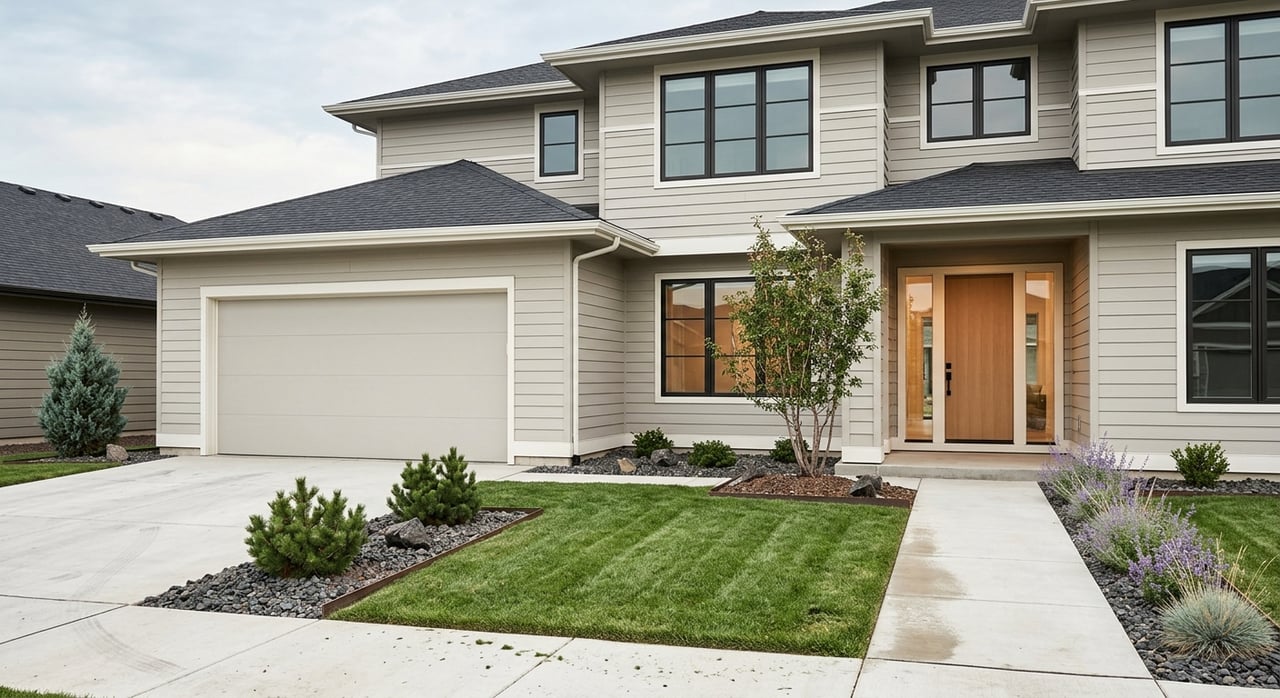
Trying to choose between Kuna and Boise? You are not alone. Many Treasure Valley buyers want more than a price comparison. You want to know how each place actually feels day to day, from your commute to your weekends to the kind of home you can picture yourself in. This guide breaks down the lifestyle differences between Kuna and Boise so you can focus on the city that fits you best. Let’s dive in.
Kuna vs Boise at a glance
Kuna and Boise both sit in the Treasure Valley, but they offer very different daily rhythms. Boise is the larger, more urban option, while Kuna offers a smaller-city setting with a more suburban-edge feel.
According to the U.S. Census QuickFacts for Boise, Boise’s July 1, 2024 population estimate was 237,963, compared with Kuna’s 29,127. Boise also has a much higher population density at 2,804.7 people per square mile, while Kuna comes in at 1,110.5. If you are deciding based on pace and space, that difference matters right away.
Home style and neighborhood feel
One of the biggest differences between Kuna and Boise is the type of housing you are more likely to find. Your ideal lifestyle may depend on whether you want more housing variety close to city amenities or a more detached-home environment with a little more breathing room.
Boise offers more housing variety
Boise has a broader mix of housing types and a more compact residential pattern in some areas. The city reports that 73.2 percent of its housing stock is single-family, while 11.8 percent is in buildings with 10 or more units. Boise’s housing planning also supports options like duplexes, townhomes, accessory dwelling units, apartments, and condominiums through Blueprint Boise and city housing updates.
That means Boise may appeal to you if you want flexibility. Whether you are searching for a single-family home, a lower-maintenance townhome, or an investment-minded property type, Boise generally offers more choices.
Kuna leans toward detached homes
Kuna’s planning framework still leans more toward single-family detached housing on larger parcels. The city’s comprehensive plan describes low-density residential as detached homes on large parcels, while medium-density areas can include duplexes, cottages, and row houses. Kuna’s development code also allows a mix of housing in planned developments, but the overall feel still trends more suburban and less dense, based on the Envision Kuna Comprehensive Plan.
Kuna also has an 82.5 percent owner-occupied housing rate, which supports its more settled, owner-oriented feel. If you picture yourself in a detached home with a little more separation from neighbors, Kuna may feel like a better match.
Commute and transportation differences
How you get around can shape your whole experience of living in a city. This is one of the clearest lifestyle divides between Boise and Kuna.
Boise supports shorter commutes and more transit
Boise’s mean travel time to work is 18.9 minutes, while Kuna’s is 28.9 minutes, according to the same U.S. Census QuickFacts data. That gap gives you a useful snapshot of how differently each city can function on a weekday.
Boise also has a stronger transit network. In 2024, Valley Regional Transit launched a redesigned system with 19 fixed bus routes and two on-demand services, improving connections to downtown Boise and the Boise Airport. If you want more options beyond driving everywhere, Boise stands out.
Kuna is more car-dependent
Kuna’s transportation picture is more driving-focused. The city’s comprehensive plan states that there are currently no transit services in Kuna itself, and the nearest bus access is about seven miles north near I-84 corridor park-and-ride locations.
The city highlights commute tools like vanpool and carpool options, which can help, but the overall routine is still more car-first. If you are comfortable with that tradeoff in exchange for a smaller-town pace, Kuna may still be a great fit.
Parks, trails, and outdoor access
Both Kuna and Boise give you access to outdoor recreation, but the experience is different. Boise offers a deeper in-city network, while Kuna delivers a smaller local park system with easy access to regional open space.
Boise has a larger in-city recreation network
Boise Parks and Recreation maintains more than 97 parks, and the city’s FY2026 budget notes over 220 miles of foothills trails. Ada County also describes the Boise River Greenbelt as a 42-mile system, including more than 25 miles of city Greenbelt.
If you want easy access to trails, biking routes, and parks within the city, Boise gives you more built-in variety. Ridge to Rivers highlights Military Reserve as a foothills trail area with direct access from downtown, which adds to Boise’s appeal for active buyers.
Kuna keeps recreation more local and community-centered
Kuna maintains 11 parks totaling about 53 acres, and the Kuna Greenbelt along Indian Creek includes a walking path, picnic areas, a BMX dirt track, a skate park, and ball fields, according to the city’s parks information in the research provided.
Kuna also sits near regional destinations like the Snake River Birds of Prey area, Celebration Park, and Swan Falls. If you like the idea of a smaller local park system paired with nearby day-trip style outdoor spots, Kuna may align well with your lifestyle.
Culture, events, and everyday atmosphere
Lifestyle is not just about home size or commute time. It is also about what fills your calendar and how connected you want to feel to city activity.
Boise brings a bigger-city calendar
Boise has a larger civic and cultural footprint. The city’s arts and history program reports 400 site-based public art installations, 934 artworks in city-owned collections, and 312 oral-history interviews. That creates a fuller urban backdrop for everyday life.
For you, that may mean more options for local events, public art, and city programming throughout the year. If you enjoy an active city atmosphere with a layered cultural scene, Boise likely feels more aligned.
Kuna feels smaller and more event-based
Kuna’s civic identity is more centered on local gathering spaces and community events. The city opened the Kuna Arts and History Center in March 2024, and current downtown revitalization efforts include wider sidewalks and pedestrian lighting. The annual Kuna Hometown Fair also plays an important role in the town’s local rhythm.
If you want a place that feels more centered around a close-knit downtown and familiar annual events, Kuna may check that box. The pace is usually less about constant activity and more about community touchpoints.
Which city fits your lifestyle?
If you are still weighing Kuna vs Boise, the best choice often comes down to what you want your normal week to look like. Think about your housing priorities, commute tolerance, and how you like to spend your free time.
Here is a simple side-by-side view:
| Lifestyle Factor | Boise | Kuna |
|---|---|---|
| Overall feel | Larger, more urban | Smaller, more suburban-edge |
| Population | 237,963 | 29,127 |
| Density | 2,804.7 per sq. mile | 1,110.5 per sq. mile |
| Mean commute | 18.9 minutes | 28.9 minutes |
| Housing mix | Broader variety | More detached-home oriented |
| Transit | Stronger bus network | Driving-focused |
| Parks and trails | Extensive in-city system | Smaller local park network |
| Community rhythm | More layered and active | More local and event-centered |
Boise may be the better fit if you want:
- More housing variety
- Shorter average commute times
- Access to bus service and more transportation options
- A larger park, trail, and Greenbelt network
- A more urban pace with broader cultural amenities
Kuna may be the better fit if you want:
- A smaller-city environment
- More detached-home patterns and a higher owner-occupied feel
- A driving-first lifestyle that trades convenience for space and pace
- Local parks and community events with a hometown feel
- A more suburban-edge routine
How to choose with confidence
The right move is not about picking the “better” city. It is about choosing the one that fits how you want to live. Boise tends to work well for buyers who want flexibility, access, and a more urban mix of homes and activities. Kuna often appeals to buyers who want more space, a quieter daily rhythm, and a community-centered setting.
If you are relocating, moving up, or trying to narrow your Treasure Valley search, it helps to compare these places through the lens of your real life. Commute habits, housing style, recreation, and day-to-day pace can matter just as much as square footage or price point.
If you want help comparing neighborhoods, homes, and lifestyle options across the Treasure Valley, Katie Shevlin Real Estate can help you narrow the search and make a confident move.
FAQs
Is Kuna or Boise better for a shorter commute?
- Boise has the shorter mean travel time to work at 18.9 minutes, compared with 28.9 minutes in Kuna.
Does Boise or Kuna have more housing variety?
- Boise has a broader housing mix, including single-family homes, duplexes, townhomes, accessory dwelling units, apartments, and condominiums.
Is Kuna more car-dependent than Boise?
- Yes. Kuna currently does not have transit service in the city itself, while Boise has a larger Valley Regional Transit network with fixed routes and on-demand service.
Which city has more parks and trails, Boise or Kuna?
- Boise has the larger in-city recreation network, with more than 97 parks and over 220 miles of foothills trails, while Kuna maintains 11 parks totaling about 53 acres.
Is Kuna or Boise better for a smaller-town feel?
- Kuna is generally the better fit if you want a smaller-town atmosphere, a more owner-occupied setting, and a community-centered daily rhythm.