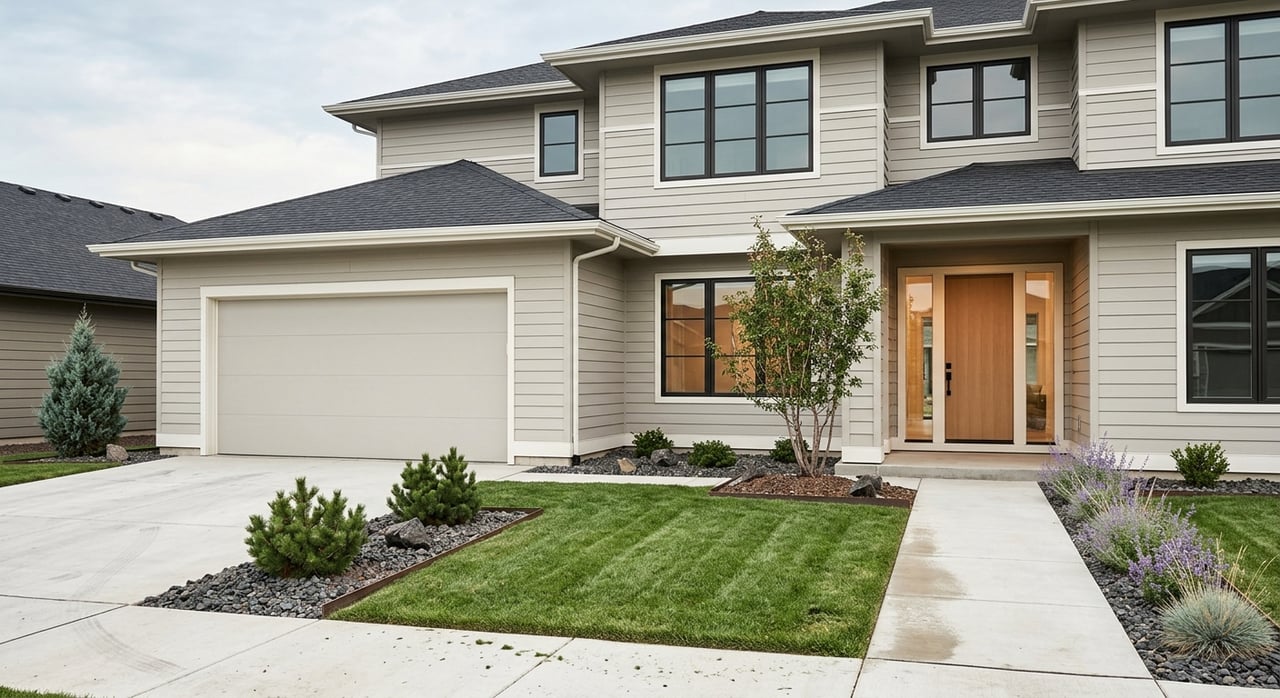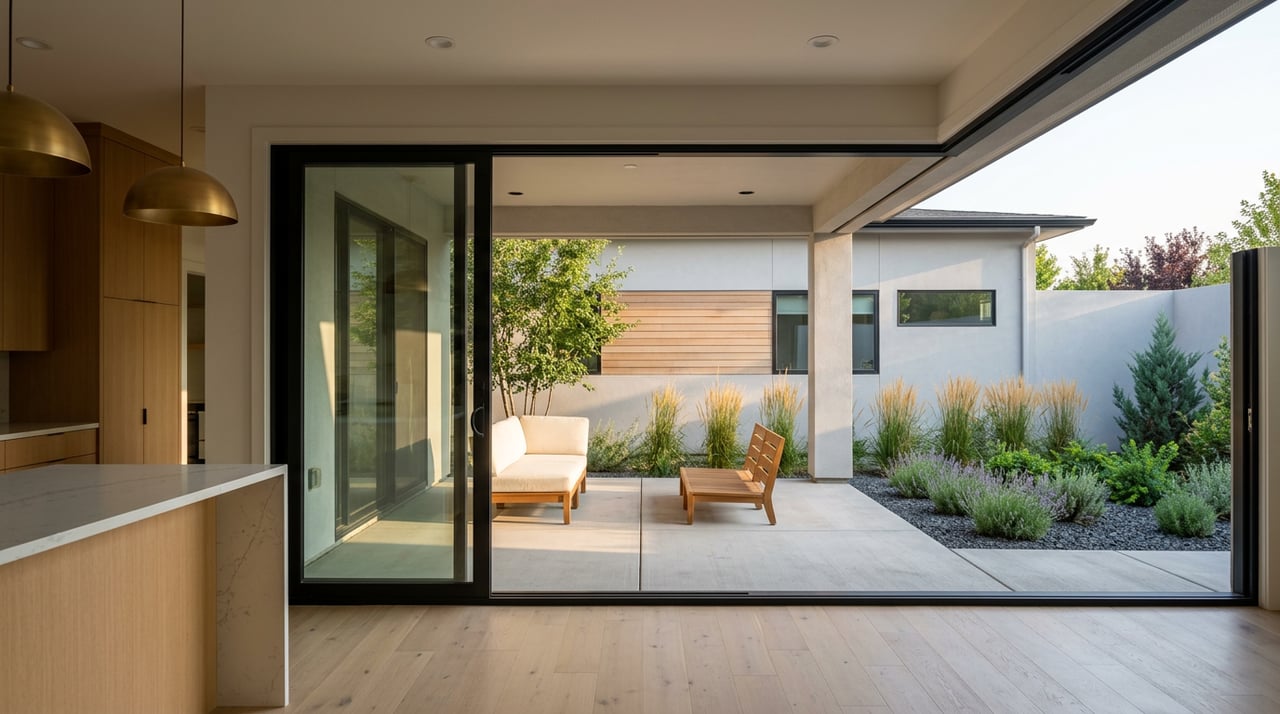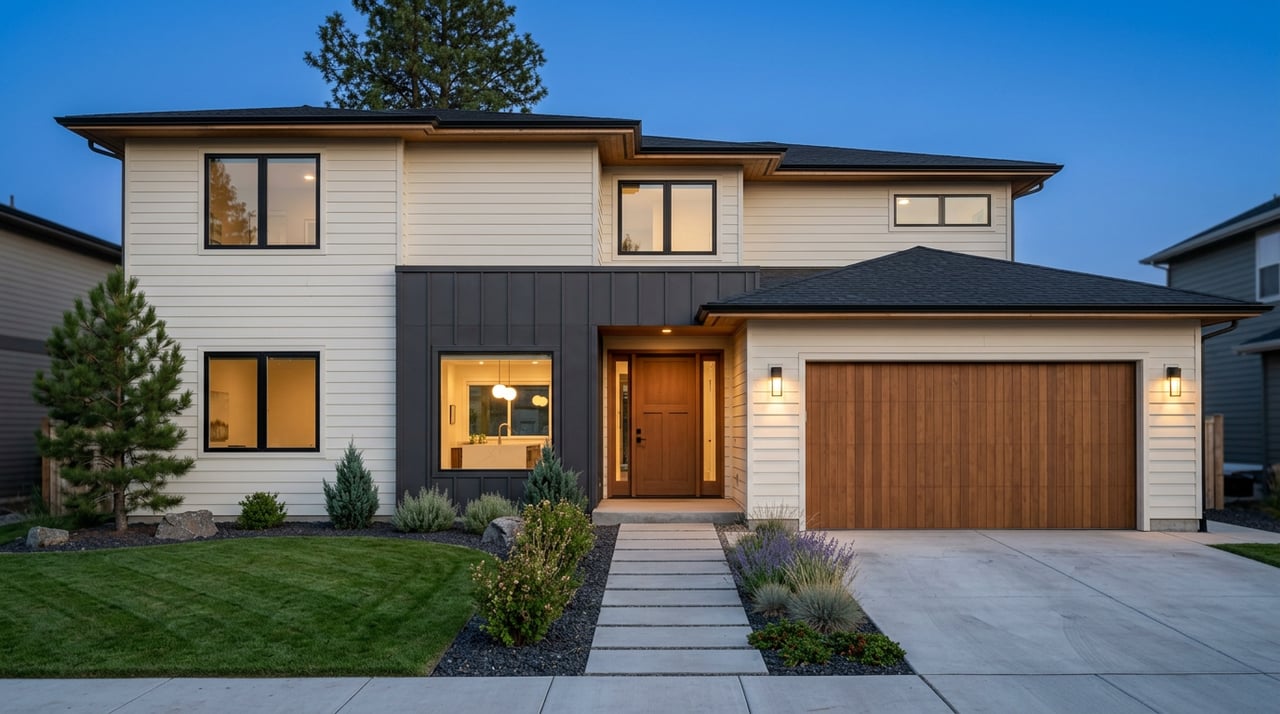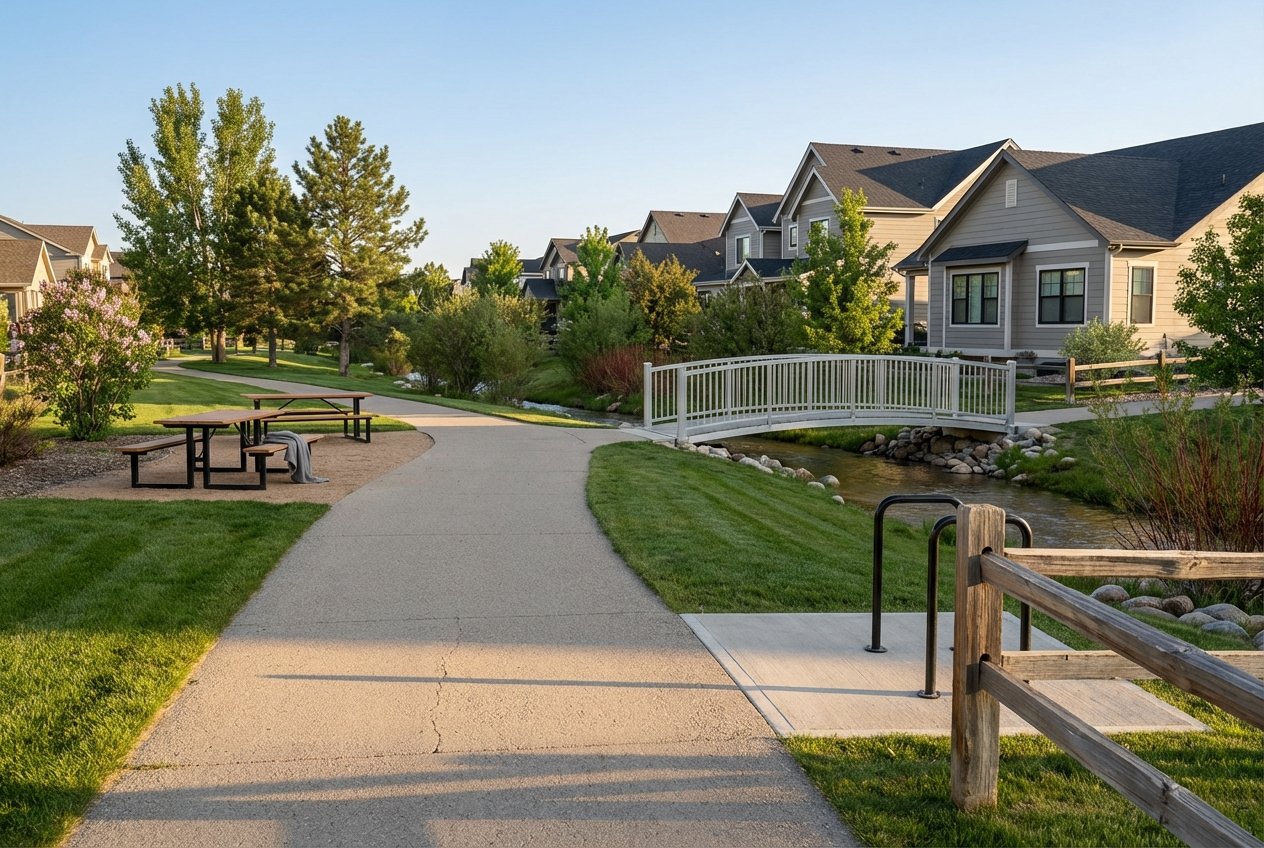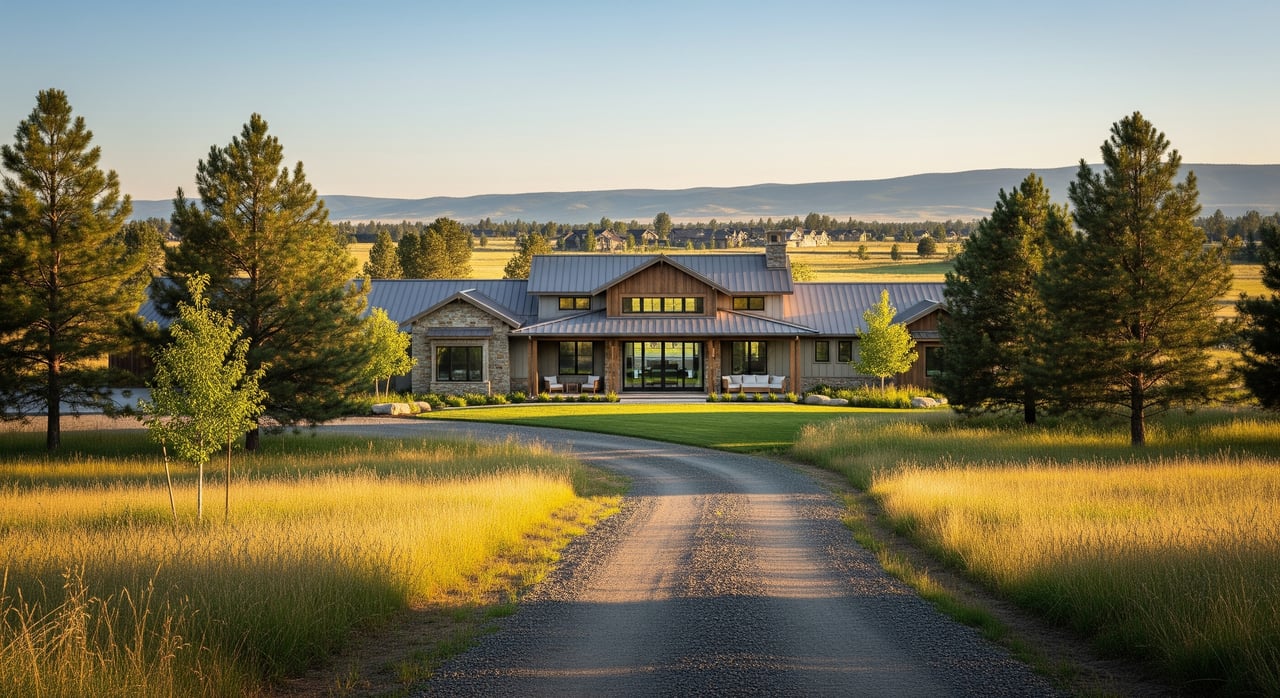
Trying to choose between room to roam and neighborhood convenience in Star? You are not alone. With growth pushing west from Boise, Star offers both HOA-managed subdivisions and spacious acreage properties, each with real lifestyle trade-offs. In this guide, you will learn how utilities, maintenance, rules, and resale differ so you can decide what truly fits your day-to-day life. Let’s dive in.
Star real estate at a glance
Star sits in Ada County within the Boise metropolitan area and has a mix of subdivision neighborhoods and rural-feeling acreage parcels. Some properties fall inside city limits, while others are in unincorporated Ada County. Zoning and land use rules vary by location, which affects lot size, allowed uses, and future options like outbuildings or potential subdivision.
When comparing specific addresses, plan to check city and county parcel maps, zoning, and utility availability. Local agencies to know include the City of Star, Ada County, Ada County Highway District, Central District Health, the Idaho Department of Water Resources, the local fire district, and West Ada School District.
Utilities and infrastructure
Water
- Subdivisions: Most neighborhoods connect to municipal or district water with metered service. You avoid private well ownership and testing.
- Acreage: Many parcels rely on private wells. Review well logs, depth, yield, pump condition, and any related water rights. The Idaho Department of Water Resources maintains well records.
Sewer and septic
- Subdivisions: Typically tie into municipal sewer where available.
- Acreage: Often use on-site septic systems. Suitability depends on soils and permitting through Central District Health. Repairs or replacement can be significant, so review permit history and recent maintenance.
Roads, stormwater, and drainage
- Subdivisions: Streets and stormwater are engineered, and the HOA or city usually maintains common systems and paved roads.
- Acreage: Access may include private roads or long driveways. Confirm recorded easements, who maintains the road, and whether there are seasonal access or drainage issues.
Electricity, gas, and internet
- Subdivisions: Utilities are usually in place, often underground, and service is straightforward.
- Acreage: Extension costs for power, gas, and broadband can vary. Check availability with local providers and FCC broadband maps before you write an offer.
Maintenance and ongoing costs
HOA model
- Pros: Shared maintenance for common areas, possible amenities like parks or playgrounds, and consistent neighborhood standards.
- Cons: Monthly or annual dues, rules that limit changes to your property, and potential for special assessments.
- Key documents: CC&Rs, bylaws, current budget, reserve study, recent meeting minutes, and special assessment history.
Acreage model
- Pros: More space, privacy, and flexibility for outbuildings, animals, and landscaping. Often no HOA dues.
- Cons: You manage septic, well, driveways, fencing, weeds, and sometimes irrigation ditches. Costs vary by site.
- Typical checks: Septic pumping and repair history, well maintenance, private road grading and snow removal, irrigation or water rights fees, fence and pasture upkeep.
Lifestyle, privacy, and uses
Space and social life
- Acreage: Greater distance from neighbors and room for hobbies, animals, and outbuildings. You get more seclusion.
- Subdivisions: Smaller yards with nearby neighbors, sidewalks, and community amenities that support a more social lifestyle.
Rules and flexibility
- HOAs: Rules may govern exterior colors, fencing, RV or boat parking, home businesses, accessory buildings, and landscaping. Review CC&Rs closely.
- Acreage: County or agricultural zoning can allow animals and multiple structures, but permits, setbacks, and inspections still apply.
Future development risk
- Acreage: As Star grows, nearby parcels may be rezoned or subdivided, changing the rural feel.
- Subdivisions: Individual lots are stable, though new nearby development can affect traffic and views.
Resale, financing, and insurance
Buyer pools and comparables
- Subdivisions: Broad appeal for buyers seeking convenience, amenities, and predictable surroundings.
- Acreage: A more specialized audience appreciates privacy and space. Fewer comparable sales can make appraisals more nuanced.
Loans and requirements
- Many loan programs have specific rules for properties with wells and septic, and for rural parcels. Confirm eligibility early with a lender familiar with Idaho rural properties.
- Access matters. Lenders typically require legal, insurable access. Verify recorded easements for private roads.
Insurance and hydrants
- Insurance costs can be higher on rural properties, especially where wildfire or flood risk is present. Proximity to hydrants and local fire response influences coverage and price.
Environmental and hazard considerations
Flooding and drainage
- Larger parcels may include floodplain or seasonal wetlands. Review FEMA flood maps and local drainage information. Site-specific grading can affect usability.
Wildfire and defensible space
- Outlying areas with grassland or sagebrush carry elevated wildfire risk. The local fire district can advise on defensible space and hydrant locations.
Soils, irrigation, and topography
- Soil type influences septic performance and foundation design. Irrigation ditches may come with easements and maintenance responsibilities. Slope, rock, or poor soils can limit building areas.
Which path fits you
Choose acreage if:
- You value privacy, space, and flexibility for outbuildings, animals, or hobby farming.
- You are comfortable managing a well, septic, and private road or hiring service providers.
- You want landscape freedom and fewer restrictions than a typical HOA.
Choose a subdivision if:
- You prefer convenience, amenities, sidewalks, and shared maintenance.
- You want municipal water and sewer with predictable monthly costs.
- You like clear community standards and consistent neighborhood appearance.
Due diligence checklists
Acreage buyers
- Water and well: Obtain the well log, recent pump test, depth, and yield; order lab tests for water quality.
- Septic: Confirm permit history through Central District Health, soil tests, system type, last pump date, and maintenance records.
- Access and roads: Verify recorded easements, private road agreements, and snow removal plans; confirm Ada County Highway District involvement if applicable.
- Title and boundaries: Order a title search, review utility and irrigation easements, and obtain a current boundary survey.
- Utilities: Confirm availability of power, gas, phone, and internet; get estimates for extension if needed.
- Fire and insurance: Check local fire district response times and mitigation requirements; get insurance quotes early.
- Zoning and construction: Confirm permitted uses, setbacks, and rules for accessory buildings; review city or county plans for nearby development.
- Site conditions: Evaluate soils, drainage, and slope for usable building areas and outbuildings.
Subdivision buyers
- HOA documents: Request CC&Rs, bylaws, articles of incorporation, current budget, reserve study, recent minutes, and status certificate.
- Dues and assessments: Confirm current dues, any pending special assessments, and delinquency rates.
- Rules that affect daily life: Review pet policies, RV or boat storage, exterior modification rules, rental restrictions, and landscaping standards.
- Infrastructure ownership: Clarify who owns and maintains roads, entry landscaping, parks, fences, and stormwater systems.
- Planned changes: Check HOA minutes and local planning updates for new phases, road expansions, or nearby development.
- Utilities and warranties: Confirm which utilities are municipal versus HOA-maintained, including streetlights and common irrigation.
For both property types
- Comparable sales: Review recent solds for similar homes and lot sizes in Star and nearby areas.
- Financing: Get pre-approved with a lender who understands wells, septic, and rural access when applicable.
- Insurance: Obtain homeowner and hazard insurance quotes before you write an offer.
- Title and boundaries: Confirm clear title, recorded easements, and any encumbrances.
Work with a local guide
Both acreage living and subdivision life can be great in Star. The best choice depends on how you want to spend your time, your comfort with maintenance, and your long-term plans. If you compare specific addresses side by side, and verify utilities, access, rules, and hazards with the right agencies, you will move forward with confidence.
If you want a local, client-first guide to help you weigh trade-offs and navigate due diligence, reach out to Katie Shevlin Real Estate. Let’s connect and find the setting that fits your lifestyle.
FAQs
What are the biggest utility differences in Star acreage versus subdivisions?
- Subdivisions usually have municipal water and sewer, while acreage often relies on private wells and septic systems that you maintain and must verify through the appropriate agencies.
How do HOAs in Star affect daily life and resale?
- HOAs manage rules, shared maintenance, and amenities, which can support stable values, but dues, special assessments, and restrictions may limit flexibility, so review CC&Rs and financials early.
What should I check about wells and septic in Ada County?
- Confirm the well log, depth, and yield, test water quality, and review septic permits and maintenance records with Central District Health to understand system condition and future costs.
How does broadband availability vary on rural Star parcels?
- Rural parcels can have limited options, so verify providers and FCC broadband maps for the specific address and budget for potential extension costs if needed.
Which loans work for Star properties with wells and septic?
- Conventional, FHA, VA, or USDA loans may apply, but each has requirements for water, septic, and access, so confirm eligibility with a lender experienced in Idaho rural properties.
How can I confirm school boundaries for a Star address?
- Check current assignment maps with the West Ada School District and verify for the exact address, since boundaries can change over time.