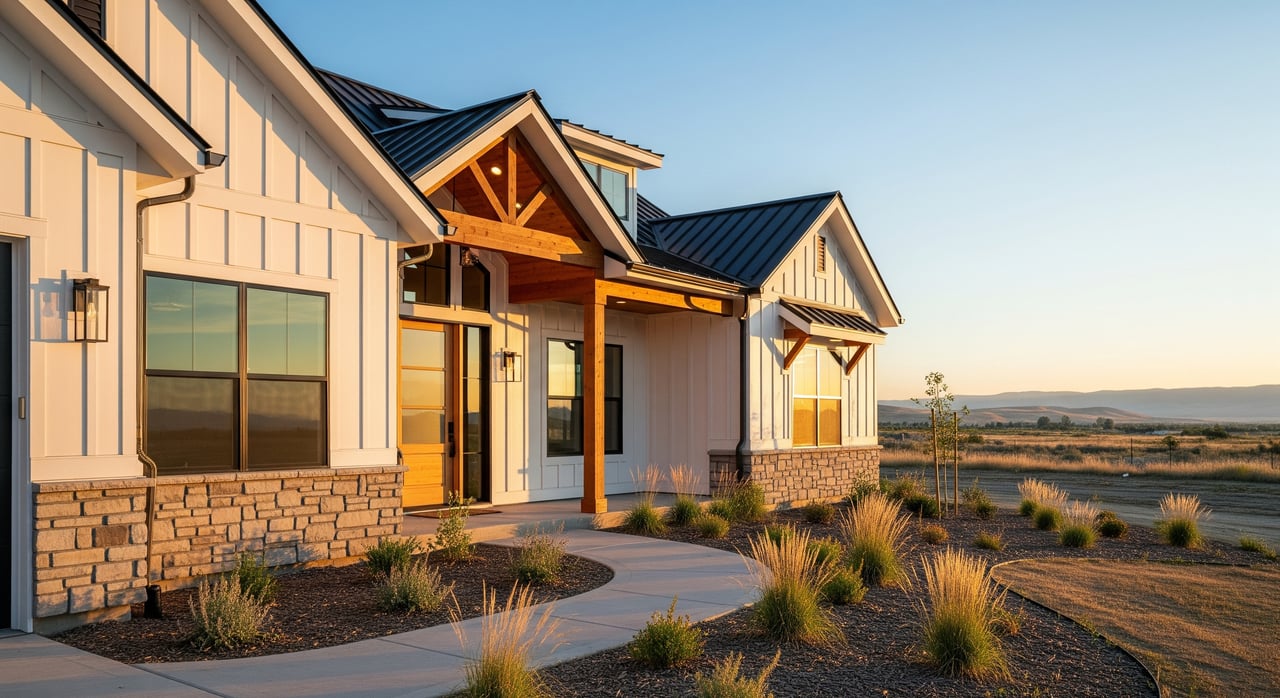
You are almost at the finish line. Your new-construction home in Kuna is nearly complete, and the final walkthrough is your chance to confirm everything is built, working, and documented as promised. It can feel like a lot to check in one visit, especially if this is your first new build. This guide gives you a clear, step-by-step checklist designed for Kuna’s climate and local processes so you can move in with confidence. Let’s dive in.
How to prep for your Kuna final walkthrough
Plan your walkthrough when you can see clearly and test systems. Daylight helps for exterior details, and early evening works well for lighting and appliance checks. Ask the builder to be present for a systems orientation so you can see how everything operates.
Bring these items:
- Printed copy of your contract, plans, and selections
- Builder’s warranty documents (if provided in advance)
- Phone with camera for photos and video
- Flashlight and a small mirror for tight spaces
- Notepad or checklist app
- Basic outlet tester (optional)
Allow 60 to 120 minutes depending on home size and finishes. Work outside to inside, then systems, then paperwork. Test every room and every feature you can safely operate.
Exterior and site checklist
Kuna’s hot summers and cold winters make drainage, sealing, and ventilation important. Walk the perimeter and look closely at finishes and water management.
- Final grade and drainage: soil should slope away from the foundation with no standing water near the home. Downspouts should discharge away from the house.
- Roof and gutters: look for visible flashing around penetrations, secure gutters, and attached downspouts. Scan for loose shingles or gaps at edges.
- Siding, stucco, trim, and paint: check for cracks, gaps at corners or penetrations, consistent paint coverage, and sealed joints.
- Driveway, sidewalks, and patios: confirm smooth transitions at thresholds, even surfaces, and no notable cracks.
- Windows and exterior doors: open and close each one. Check locks, weatherstripping, screens, and seals. Look for condensation between panes.
- Garage: test the door and opener, safety reversal, and emergency release. Check weatherstripping at the bottom and installed electrical outlets.
- Landscaping and irrigation (if included): verify plantings match your contract. If irrigation is active, run a quick test and confirm heads are not spraying the house.
- Exterior lighting and outlets: test porch and coach lights, motion or sensor features, and GFCI-protected exterior outlets.
Interior fit and finish checklist
Work room by room and note anything that needs attention. Cosmetic items still matter, but you will prioritize safety and function first.
- Floors: look for scratches, gaps, squeaks, and even transitions. For tile, check grout consistency and seal lines around tubs and showers.
- Walls and ceilings: review paint coverage, touch-up marks, texture consistency, nail pops, and any stains that could signal a leak.
- Doors and trim: open and close each door. Confirm smooth operation, proper latching, even reveals, and aligned hinges. Inspect trim for gaps and caulking.
- Cabinets and counters: open every cabinet and drawer. Check alignment, soft-close function, and finish quality. Inspect countertop seams, edges, and caulking at backsplashes and sinks.
- Plumbing fixtures: run water at each sink, tub, and shower. Check hot and cold, flow, and drainage speed. Look under sinks for any leaks.
- Appliances: verify installed models match your contract. Test stove burners and oven, microwave, dishwasher run, range hood, refrigerator cooling, and disposal.
- Windows: operate each window fully and check locks. Confirm smooth operation and a snug close.
Systems and safety checks
Test the systems you will rely on year-round. Kuna’s temperature swings mean HVAC performance and insulation matter.
- HVAC: run heat and cooling cycles to confirm air is the right temperature at vents. Test thermostat modes, ask about filter type and location, and note service intervals.
- Water heater: confirm hot water delivery and check that the pressure relief valve is properly piped with no signs of leakage.
- Electrical: test every outlet and light switch. Check GFCIs in kitchens, baths, garage, and exterior. Confirm dimmers and hard-wired fixtures work.
- Smoke and carbon monoxide detectors: verify units are installed where required, power up, and pass the test button check.
- Insulation and attic access: open the hatch and look for adequate insulation and proper weatherstrip at the access panel.
- Drainage and sewer: run multiple fixtures at once to check for slow drains or backups. Locate the main shutoff and sewer cleanout.
- Crawlspace or basement: look for moisture, proper insulation, a vapor barrier, and a clean final condition per your contract.
- Sump pump (if applicable): test operation and confirm any backup or battery system is present and functional.
Documentation and final paperwork
Collect and organize documents now so you are not chasing them after closing. Keep digital copies and a physical folder.
- Certificate of Occupancy or final inspection sign-off: request a copy from the builder and confirm final inspections are complete with the City of Kuna as applicable.
- Permits and inspection logs: ask for copies of the final permit inspection results and any correction notes.
- Builder’s written warranty: get the full warranty package with start date, coverage specifics, claim procedures, and contact info. Confirm whether it transfers to a future owner.
- Appliance and manufacturer warranties: gather manuals, serial numbers, and any registration steps.
- As-builts, survey, and utility locates: collect the final site plan or as-built, any available survey, and the locations of meters and shutoff valves.
- HOA documents (if applicable): obtain CC&Rs, rules, and management contact details. Note any maintenance responsibilities.
- Subcontractor contacts: request lead contacts for HVAC, plumbing, electrical, and other major trades in case warranty work requires coordination.
- Photos and notes: take time-stamped photos and list items with locations and short descriptions for your punch list.
Create a punch list that gets results
Be systematic so nothing is missed. Exterior first, then interior, then systems, then paperwork. List each item with location, description, and a photo.
- Mark severity for each item: safety-critical, major function, or cosmetic.
- Share the list the same day and ask the builder to acknowledge in writing.
- Agree on a repair timeline and a reinspection date before closing if possible.
- Document completion with photos or a signed completion form at re-walkthrough.
If closing is imminent, avoid delaying occupancy for minor cosmetic items. Safety, structural, or system failures should be addressed before acceptance or covered by a written agreement that includes completion timing.
Warranties, registration, and maintenance
Builders commonly offer tiered coverage, but terms vary by builder. Read the builder’s written warranty so you know what is covered, how to make a claim, and response timelines.
Typical industry practices include:
- About one year for workmanship and cosmetic items such as doors, trim, and paint
- Two to three years for mechanical systems like HVAC, plumbing, and electrical
- Structural coverage that may extend several years, sometimes up to 10 for major structural elements
Register manufacturer warranties for appliances, windows, roofing materials, and HVAC. Many require registration to activate coverage. Keep proof of purchase, model and serial numbers, and service logs.
Perform basic maintenance that warranties may require: change HVAC filters on schedule, keep gutters clear, test GFCIs and alarms, and record service visits. If a claim is disputed or a builder is unresponsive, escalate through builder management, consult the City of Kuna for code compliance concerns, and consider professional guidance. Keep all communications in writing.
Local steps for Kuna buyers
A few quick verifications can help you avoid surprises and support your records.
- City of Kuna Building Department: confirm final inspections and Certificate of Occupancy status.
- Ada County Assessor and Recorder: verify property records, plat maps, and any recorded easements or covenants.
- Kuna Public Works and utilities: confirm whether the home is on municipal water and sewer or well and septic, and verify meter installations.
- Utility providers: confirm electrical, gas, trash, and internet service setup and account activation steps.
- HOA or neighborhood management: collect contact details and any guidelines that affect landscaping, fencing, or exterior modifications.
Sample 2-hour walkthrough plan
Use this simple flow to cover everything without rushing.
- Minutes 0 to 20: Exterior and site drainage, roof and gutters from the ground, siding and paint, windows and doors, garage, lighting and outlets
- Minutes 20 to 60: Interior fit and finish by room: floors, walls, doors and trim, cabinets and counters, windows, appliances
- Minutes 60 to 90: Systems testing: HVAC heat and cool cycles, water heater hot water check, run taps and drains together, electrical outlets and GFCIs, smoke and CO detectors, attic access, crawlspace or basement
- Minutes 90 to 110: Paperwork review and photo documentation, confirm locations of shutoffs and meters
- Minutes 110 to 120: Final punch-list review with builder, agree on timelines and next steps
Ready for keys?
A careful final walkthrough protects your investment and sets you up for a smooth move-in. Use this checklist, document what you see, and leave with clear next steps and a plan for any punch-list items. If you want a local pro to walk it with you, reach out to Katie Shevlin Real Estate for hands-on guidance tailored to Kuna and the Treasure Valley.
FAQs
What is a final walkthrough for a new build in Kuna?
- It is your last pre-closing review to confirm the home matches your contract, systems operate correctly, and all required inspections and documents are complete.
Do I need a Certificate of Occupancy before closing in Kuna?
- Most jurisdictions require final inspections and a Certificate of Occupancy or equivalent sign-off before occupancy, so ask your builder for copies and verify status with the City of Kuna.
What should I prioritize if time is short?
- Focus on safety items, system and functional issues, and any signs of water intrusion or structural concerns, then note cosmetic items so they are not forgotten.
How long do builders have to finish punch-list items?
- Timelines vary by builder, so get response windows and repair targets in writing and schedule a reinspection or confirmation of completion.
Are manufacturer warranties automatic on new homes?
- Many require registration, so collect manuals and serial numbers and register appliances, windows, roofing materials, and HVAC promptly.
Who enforces building codes in Kuna?
- Local building officials perform inspections and enforce codes, so contact the City of Kuna if you have persistent code or safety concerns after closing.