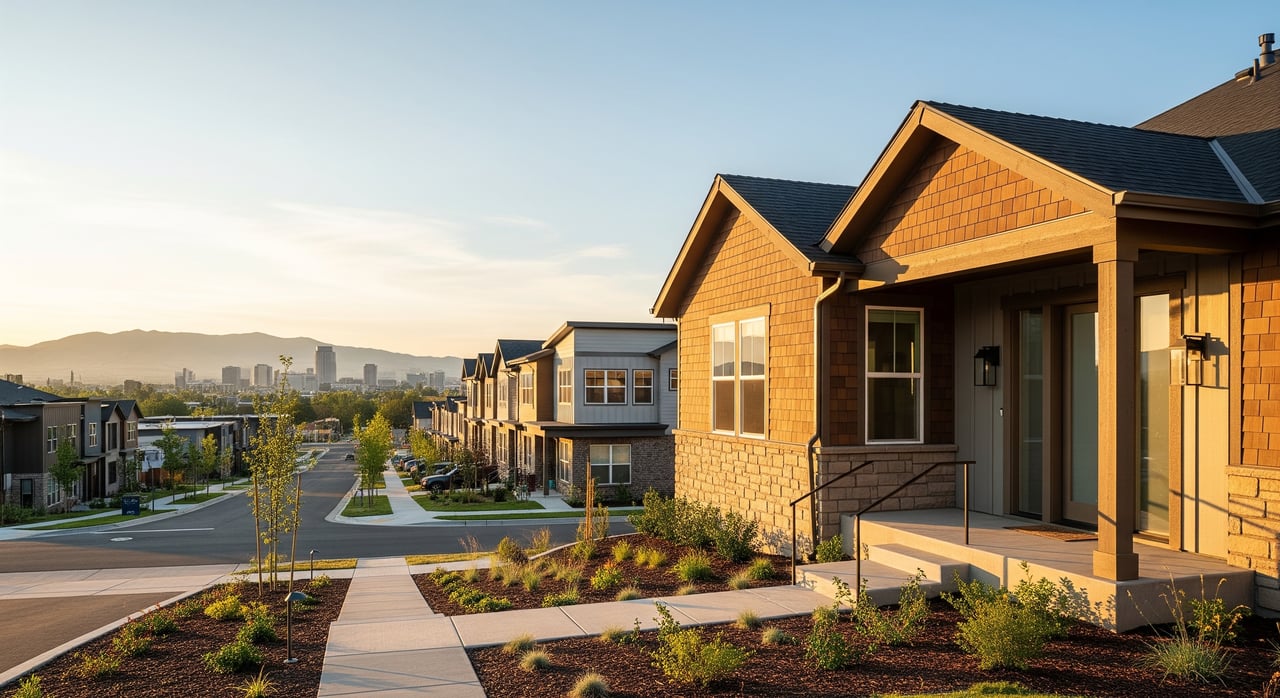
Trying to figure out where you fit in Boise can feel like choosing between three great versions of your future. Do you want café-lined streets and short hops to work, or more space and a quiet cul-de-sac? Maybe something in-between with character homes and trail access. In this guide, you’ll see how Boise’s urban, in-between, and suburban areas compare by lifestyle, housing, commute, schools, and day-to-day convenience. You’ll walk away with practical tips to narrow your short list. Let’s dive in.
How Boise is organized
Boise’s growth over the last decade reshaped many neighborhoods, with new infill downtown and expanding subdivisions in Ada County. For a high-level snapshot of city and county scale, check the U.S. Census Bureau’s U.S. Census QuickFacts, which tracks population estimates and trends.
Local planning and transportation policy influence where density goes next. The City of Boise’s Planning and Development department outlines zoning, infill priorities, and neighborhood plans that can shape future character. Roadway projects and commute patterns are coordinated by the Ada County Highway District, and bus service is provided by Valley Regional Transit. The Boise River Greenbelt and an extensive parks system knit many areas together, offering car-free routes for biking and walking.
- Explore planning and zoning context: City of Boise Planning and Development
- See bus routes and schedules: Valley Regional Transit
- Review regional roadway plans: Ada County Highway District
- Discover parks and the Greenbelt: City of Boise Parks and Recreation
- Check population context: U.S. Census QuickFacts
Urban core: Downtown Boise
What it feels like
Downtown Boise delivers the most walkable, mixed-use lifestyle. You can step out to restaurants, the Basque Block, theaters, and museums, then wander to Julia Davis Park or Ann Morrison Park on the Greenbelt. Blocks are short and sidewalks are busy, especially during events and weekend evenings.
Housing types and trade-offs
You’ll mostly see condos and apartments, plus some loft-style conversions in older buildings. Units can carry higher price per square foot for prime locations, and you’ll want to factor in HOA fees, parking arrangements, and storage needs. If you own fewer cars and commute by bike or on foot, the trade-offs often feel worth it.
Daily life tips
- Commute: Short bike and walk times to central jobs; bus coverage through Valley Regional Transit.
- Parking: Street parking is in demand, so buildings with assigned spots can be a plus.
- Green space: Quick access to the Boise River Greenbelt and downtown-adjacent parks.
Who it fits
- You want a car-light lifestyle and the most choices for dining and culture.
- You’re a downsizer or professional who values time and proximity over square footage.
In-between: North End and East End
What it feels like
North End and East End sit just beyond downtown with a calmer, tree-lined feel. You’ll find historic bungalows, Craftsman homes, and small-lot single-family streets mixed with corner cafés and neighborhood shops. Hyde Park in the North End feels like a small-town main street, while the East End’s Warm Springs corridor stretches toward foothills and trailheads.
Housing types and trade-offs
Older homes are common, so you may balance vintage character with maintenance and renovation. Lot sizes vary street by street, and off-street parking can be limited on some blocks. Infill townhomes and accessory dwelling units appear in select areas, adding options for flexible living or potential rental income subject to local rules.
Outdoor and everyday life
- Trails: Camel’s Back Park and foothills trailheads are close for quick hikes and rides.
- Parks: Kathryn Albertson Park, Camel’s Back, and downtown parks are within easy reach.
- Commute: Many residents bike downtown in 10 to 20 minutes depending on route and start point.
Who it fits
- You want walkable neighborhood energy plus more space than a downtown condo.
- You value character homes and quick access to parks and foothills.
Suburban Boise and nearby Ada County
What it feels like
If you want more room to spread out, suburban neighborhoods inside Boise and across Ada County offer larger lots and planned communities. Inside Boise, look at the Boise Bench to the southwest and Southeast Boise, including Harris Ranch and the Bown Crossing area. Beyond city limits, Meridian, Eagle, and Kuna feature a range of newer subdivisions with community amenities.
Housing types and trade-offs
Single-family homes from the 1990s onward dominate, with townhomes in some pockets. Many subdivisions include neighborhood parks, playgrounds, and sometimes pools. Daily life is usually car-dependent, though shops and schools are often nearby. You tend to get more square footage and yard for the price compared to the urban core.
Commutes and corridors
Key routes include I-84 for regional trips, State Street across the north side, and Overland, Broadway, and Five Mile/Franklin for crosstown travel. Commute times vary by time of day and direction, and planned roadway projects can shift traffic patterns. For updates and planning insights, review the Ada County Highway District and regional reports from COMPASS.
- Regional planning and growth data: COMPASS
Who it fits
- You want yard space, a two-car garage, and nearby community amenities.
- You prefer newer construction and a traditional neighborhood layout.
Semi-rural pockets for more land
If you dream of elbow room, select areas on the fringe of Boise and in Ada County offer larger lots and a more rural feel. Northern Eagle and parts of Kuna are examples, along with some properties on Boise’s edge. You gain privacy and space for hobbies, with a longer drive to major job centers. Utilities, road maintenance, and services can differ from in-city neighborhoods, so due diligence is key.
For confirming lot sizes and tax details, start with public records at the Ada County Assessor.
- Property records and parcel info: Ada County Assessor
Commute, transit, and parking
- Driving: Expect variability by corridor and time. I-84, State Street, Broadway, Overland, and Five Mile/Franklin are common routes.
- Transit: Valley Regional Transit provides bus service across Boise into Meridian and Eagle. Frequency and routes vary by neighborhood.
- Biking and walking: The Greenbelt and designated bike lanes make active commuting realistic from downtown, North End, and corridors near the river.
- Parking: Downtown and denser areas have higher demand for on-street parking. Subdivisions typically include garages and driveways.
Check Valley Regional Transit for route maps and service, and ACHD for roadway updates.
Schools and boundaries to review
School boundaries differ by neighborhood and can change over time. Much of Boise is served by the Boise School District, while Meridian-area suburbs and parts of Ada County are served by the West Ada School District. If schools are part of your decision, verify boundary maps, programs, and transportation options directly with the districts.
- Boise attendance and district info: Boise School District
- West Ada attendance and district info: West Ada School District
Use neutral, factual criteria as you compare. Consider proximity to daycare, after-school activities, parks, and your daily commute.
Safety and neighborhood research
Safety can vary block by block in every city. For the most accurate picture, consult official data and map tools, and visit neighborhoods at different times of day. Boise Police provides dashboards and resources that help you understand local patterns and community programs.
- Crime data and community resources: Boise Police Department
Price patterns and what drives them
Boise saw strong price appreciation in 2020 to 2022, followed by partial cooling and more mixed inventory in 2023 to 2024. Micro-markets can behave differently. Downtown condos respond to a separate set of drivers than single-family homes in Meridian or Eagle, and proximity to the Greenbelt or the foothills can influence demand. To set expectations, compare like-with-like by property type and location, and review current trends before you write an offer.
For context beyond listings, COMPASS publishes regional growth and transportation reports that help explain supply, demand, and planned infrastructure over time.
How to choose: a quick decision guide
Use the prompts below to identify what matters most for your lifestyle:
If walkability and a short commute come first
- Focus on Downtown Boise and central neighborhoods near the Greenbelt.
- Consider condo or townhome living and bike-friendly routes.
If you want character homes and trails nearby
- Explore North End and East End. Walk to cafés, reach foothills within minutes.
- Weigh renovation potential and parking when comparing homes.
If yard space and newer construction lead your list
- Search Southeast Boise, the Boise Bench, and Ada County suburbs like Meridian, Eagle, and Kuna.
- Review HOA amenities, commute corridors, and future roadway plans.
If you want acreage and privacy
- Look at semi-rural pockets near Eagle, Kuna, and Boise’s fringe.
- Confirm utilities, road maintenance, and travel times to your routine destinations.
Your next steps
Touring neighborhoods is the fastest way to clarify your priorities. Walk a few blocks near Hyde Park, bike along the Greenbelt, and drive your peak-hour commute from Southeast Boise or Meridian. Then compare homes that fit your target price, yard needs, and commute flexibility. If you want a local guide to organize a focused tour, share up-to-date market context, and help you weigh trade-offs block by block, reach out to Katie Shevlin Real Estate.
FAQs
What are the main differences between Boise’s urban and suburban areas?
- Urban areas offer the highest walkability and condo living near downtown amenities, while suburban areas provide larger lots, newer single-family homes, and car-based convenience.
Which Boise neighborhoods are closest to the Boise River Greenbelt?
- Downtown Boise, the North End, East End, and parts of Southeast Boise have quick access to the Greenbelt and major parks managed by the City of Boise Parks and Recreation.
How can I check school boundaries for a Boise home search?
- Review official resources from the Boise School District and West Ada School District, then confirm any address with the district before you make a decision.
What commute routes matter most when living in Ada County?
- I-84, State Street, Overland, Broadway, and Five Mile/Franklin are key corridors, and updates from the Ada County Highway District can inform travel-time expectations.
Where can I find reliable neighborhood safety information in Boise?
- Consult the Boise Police Department’s public dashboards and resources, and visit neighborhoods at different times to get a personal sense of activity and lighting.