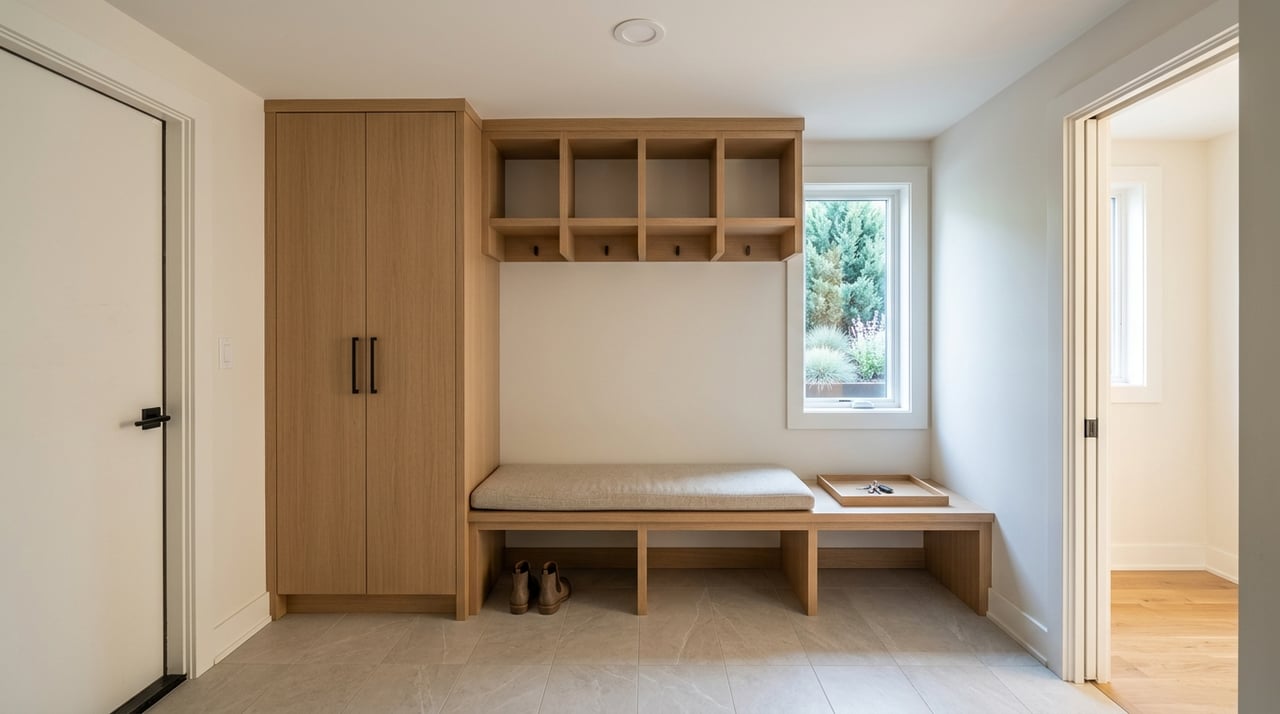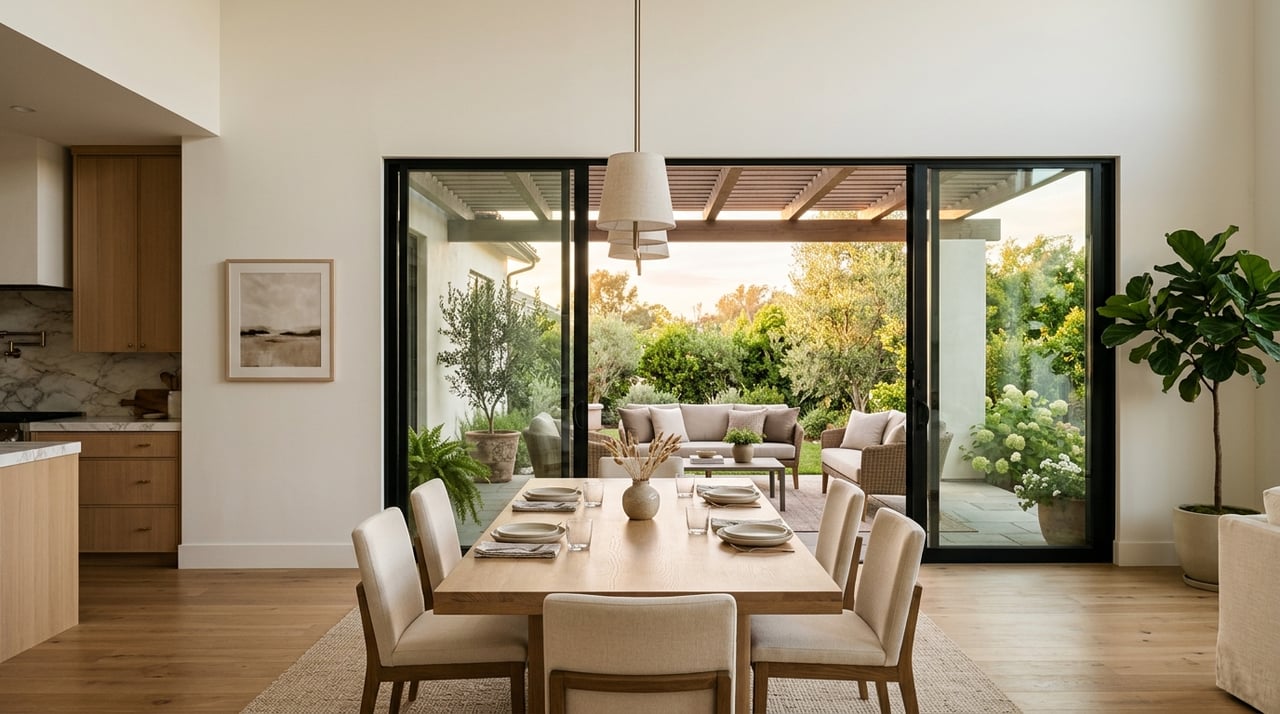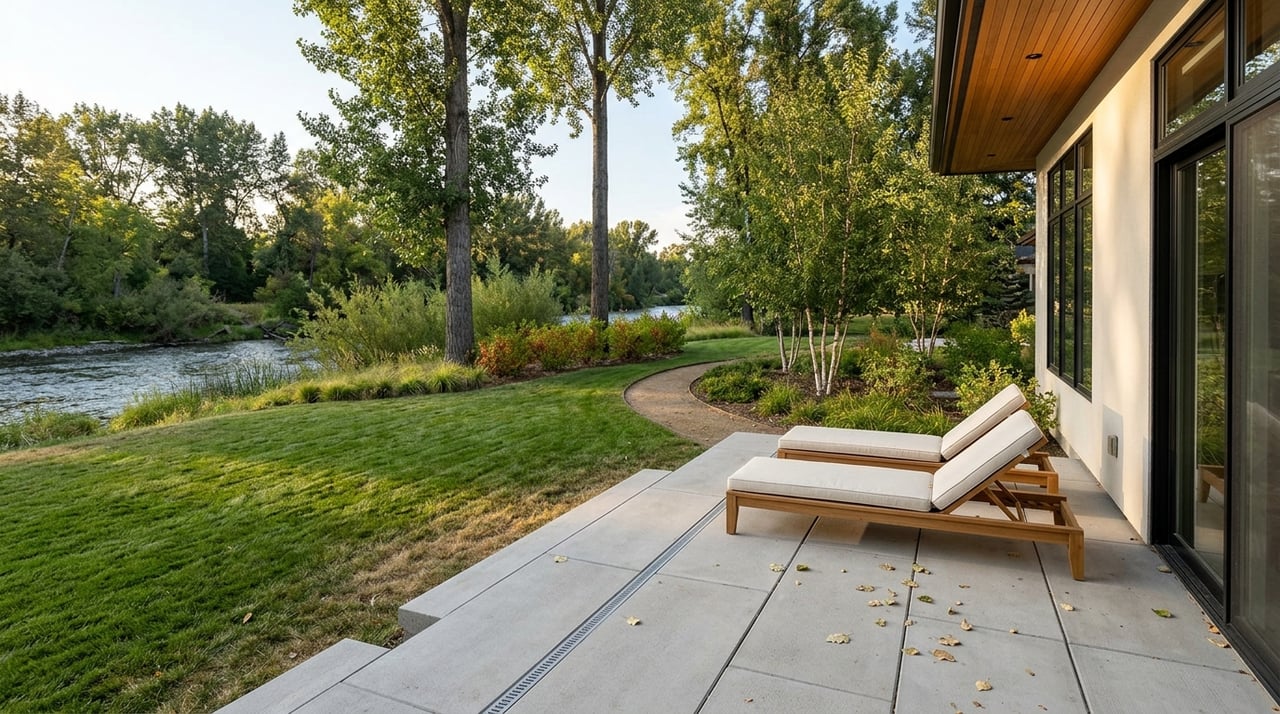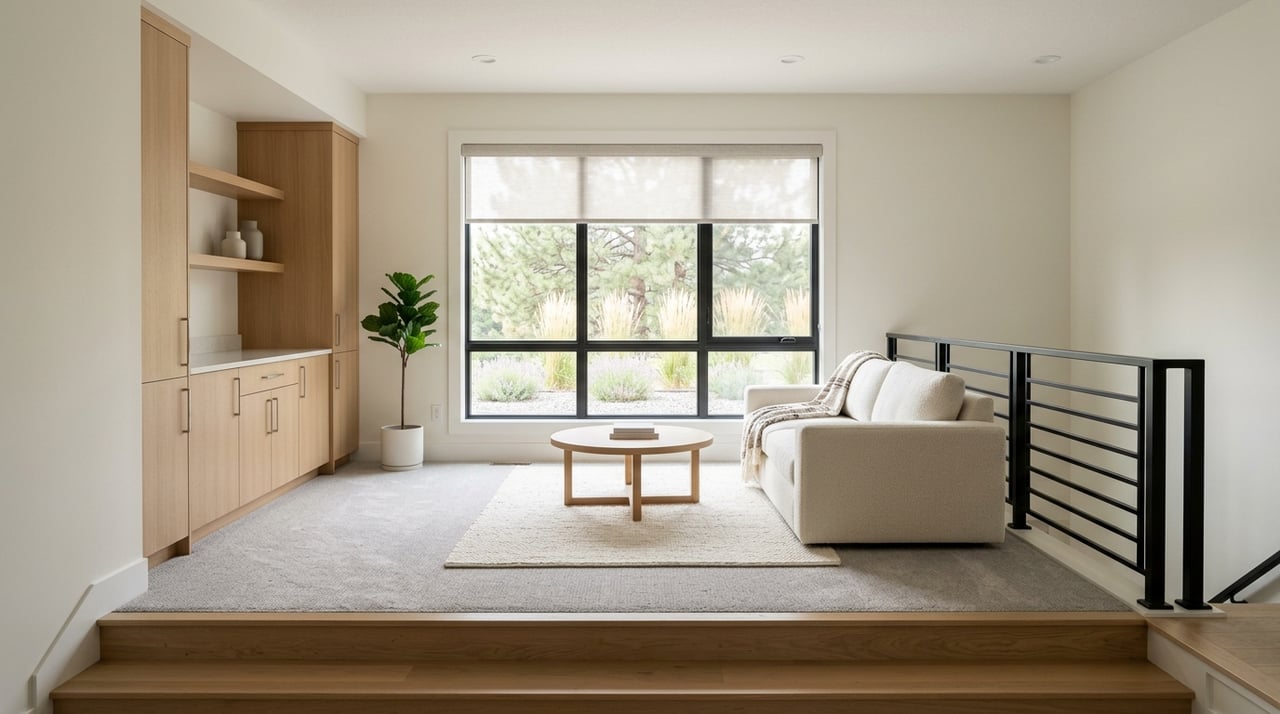
Feeling squeezed in a home that once fit just right? If your Nampa starter home now feels short on bedrooms, storage, or flexible living space, you are not alone. With Nampa continuing to grow and many local owners building equity over the past several years, this can be the right time to think strategically about what comes next. This guide will help you plan a move-up purchase with a clearer view of timing, equity, pricing, and your options. Let’s dive in.
Why Many Nampa Owners Are Reassessing Space
Nampa’s estimated population reached 120,384 as of July 1, 2025, which reflects 19.9% growth since 2020. At the same time, the owner-occupied housing rate sits at 70.2%, and the median value of owner-occupied homes is $370,800. That tells you a lot about the local market: many households own, many may have built equity, and many are likely evaluating whether their current home still fits their needs.
If your life has changed since you bought your first home, your housing needs may have changed too. You may need an extra bedroom, a dedicated office, a larger yard, or a more functional layout. A move-up plan works best when you treat it as both a lifestyle decision and a financial one.
What the Nampa Market Means for Your Next Move
Recent market data shows an active market, but not one where you can ignore strategy. Redfin reports a median sale price of $419,749 in the three months ending May 2026, with homes averaging about 32 days on market and receiving about two offers. It also reports a 99.7% sale-to-list ratio, with 23.2% of homes selling above list price.
Looking at active inventory, Realtor.com reports Canyon County at a median listing price of $509,440 in June 2026, with about 2.6K active listings, 37 days on market, and a 99% sale-to-list ratio. It also places Nampa’s median listing price at $480,000 with 1,222 homes for sale. These numbers are not directly comparable because one source focuses on closed sales and the other on active listings, but together they suggest something important: pricing and presentation still matter.
Start With Equity, Not Guesswork
When you are planning a move-up purchase, the first question is usually, “How much can I put toward the next home?” That answer starts with equity, but it should not stop there. Your home’s market value is only one piece of the puzzle.
You also need to account for selling expenses, your remaining mortgage balance, and the difference between taxable gain and actual net proceeds. According to IRS guidance, gain on the sale of a home is based on the amount realized, minus selling expenses and adjusted basis. If the home is your main residence and you meet the ownership and use tests, you may be able to exclude up to $250,000 of gain if filing single, or up to $500,000 on a joint return.
The key takeaway is simple: equity, taxable gain, and cash available for your next purchase are related, but they are not the same thing. If your next down payment depends on the sale of your current home, a realistic estimate matters.
Why online estimates are only a starting point
Online home values can be useful for a quick snapshot, but they are not enough for a move-up strategy. Because market data sources track different things, those public numbers should be treated as a starting point rather than final pricing advice. When your next purchase depends on exact proceeds, a local comparable-sales review becomes much more useful.
Compare Your Timing Options
One of the biggest questions in a move-up plan is whether to sell first or buy first. The best path depends on your finances, your comfort with risk, and how much flexibility you need.
Sell first
Selling first is often the cleanest option if you want to reduce payment risk and use your sale proceeds for the next down payment. This approach can make your budget clearer because you will know your actual net proceeds before you buy. It can also lower the chance of carrying two housing payments at once.
The tradeoff is timing. You may need temporary housing, a rent-back arrangement, or very careful coordination if you do not want a gap between homes.
Buy first
Buying first can make sense if you want more control over your next home search and do not want to feel rushed. In a competitive situation, avoiding a home-sale contingency may strengthen your offer. NAR notes that bridge loans can help homeowners access current-home equity before the sale, which may help with this type of transition.
That said, buying first can raise your financial exposure. You need to think carefully about monthly payment, reserves, and how long you could comfortably manage overlap if your current home does not sell immediately.
Same-day or near-same-day close
Some households aim for a same-day or near-same-day close to reduce disruption. This can work, but it usually requires strong coordination and clearly negotiated terms in writing. NAR identifies tools like rent-back and early move-in clauses as ways to help align timing.
In Nampa, where homes are taking about 32 days on average to sell, this type of coordination can be helpful. Even with a good plan, you may need a little overlap or flexibility to make the transition smoother.
Budget for the Payment, Not Just the Price
A larger home often brings a larger payment, and that change can feel more significant in today’s rate environment. Freddie Mac reported a 30-year fixed mortgage average of 6.55% as of July 16, 2026. That means the gap between your current payment and your next one may be bigger than expected, even if the price jump feels manageable on paper.
As you plan, focus on the full monthly cost, not just the purchase price. That includes principal, interest, property taxes, homeowners insurance, and any other regular housing costs. If taxes and insurance are not escrowed, the CFPB notes that you should plan for those separately.
A simple move-up budget checklist
Before you start touring homes, make sure you have a working estimate for:
- Expected sale price range for your current home
- Remaining mortgage balance
- Estimated selling expenses
- Likely net proceeds
- Target down payment for the next home
- Monthly payment comfort range
- Cash reserves after closing
- Closing costs for the purchase side
This kind of planning can keep you from stretching too far just because your current home has appreciated.
Understand the Closing Timeline
The final stretch of a move-up transaction can feel busy because you are juggling both a sale and a purchase. The more prepared you are, the smoother it usually feels. Small details matter here.
The CFPB says lenders must provide the Closing Disclosure at least three business days before closing. It also recommends reviewing the Closing Disclosure, promissory note, and other documents in advance so you have time to ask questions and make arrangements for your move.
What to review before closing
As closing gets close, pay special attention to:
- Your Closing Disclosure
- Your loan terms and monthly payment
- Cash due at closing
- Property tax and insurance setup
- Move-out and move-in timing
- Utility transfers and address changes
This is also a good time to confirm how your sale proceeds and purchase funds will move from one transaction to the next.
Build a Plan Around Your Real Life
A move-up purchase is not just about getting a bigger house. It is about choosing a home that supports the next stage of your life. That could mean more space, a different layout, newer construction, or features that make day-to-day living easier.
The strongest plans usually start with a few practical questions:
- What does your current home no longer do well?
- Which upgrades matter most to your daily routine?
- How much payment increase feels comfortable each month?
- Do you need to sell first to feel financially secure?
- How flexible can you be on timing?
When you answer those questions early, your search becomes more focused and less stressful.
Why Strategy Matters in Nampa
In a market like Nampa, homes are still moving, but success is not automatic. With sale-to-list ratios near 99% and a meaningful share of homes selling above list price, good results still depend on accurate pricing, strong presentation, and a realistic game plan. That matters even more when your sale and purchase are connected.
If you are outgrowing your starter home, the goal is not just to move. The goal is to move well, with a clear understanding of your equity, your options, and your next monthly budget. A thoughtful plan can help you make the jump with more confidence and fewer surprises.
If you are thinking about your next move in Nampa, Katie Shevlin Real Estate can help you map out a smart plan for selling, buying, and timing the transition with personal guidance every step of the way.
FAQs
How do I know if I have enough equity to move up in Nampa?
- Start with an estimated market value for your current home, then subtract your mortgage balance and estimated selling expenses. Keep in mind that equity, taxable gain, and net proceeds are not the same thing.
Is it better to sell my Nampa home before buying the next one?
- Selling first is often the simplest way to reduce payment risk and use your proceeds for the next down payment, but the best choice depends on your finances and timing needs.
Can I buy a new home before selling my current Nampa house?
- In some cases, yes. Buying first may give you more control over your home search, and short-term tools like bridge financing can help, but you need to be comfortable with the financial overlap.
What is the Nampa housing market like for move-up sellers right now?
- Recent data suggests Nampa is active but not ultra-fast, with closed sales averaging about 32 days on market and sale-to-list ratios near 99.7%, which means pricing and presentation still matter.
How do mortgage rates affect a move-up purchase in Nampa?
- Mortgage rates can significantly change your monthly payment on a larger home. That is why it is important to budget around the full monthly cost, not just the purchase price.
What should I review before closing on my next home in Idaho?
- Review your Closing Disclosure, loan terms, cash due at closing, tax and insurance setup, and your move timing at least several days before closing so you have time to ask questions and prepare.