If you picture river living in Eagle as a dock-out-your-back-door lifestyle, you may be surprised by what it actually feels like. In this part of the Treasure Valley, life near the water is usually more about trails, parks, open space, and a polished outdoor setting than nonstop activity on the river itself. If you are wondering whether a river-area home in Eagle fits your lifestyle, budget, and day-to-day needs, this guide will help you understand the real tradeoffs and advantages. Let’s dive in.
River Living Starts With Location
The Boise River is a real part of Eagle’s geography, not just a selling point in listing descriptions. The City of Eagle says the river runs through the city from east to west, and it helps connect Eagle to Boise through the greenbelt pathway.
That matters because living near the river in Eagle often means feeling tied into the broader outdoor network around town. Instead of feeling tucked away or isolated, many river-adjacent areas connect you to walking and biking routes, parks, and preserved open spaces.
The city’s planning priorities also show how important the river corridor is to Eagle’s identity. Flood protection, open-space preservation, trail access, and wildlife habitat all show up as recurring priorities, which helps shape how nearby areas are designed and maintained.
What Daily Life Near the Water Feels Like
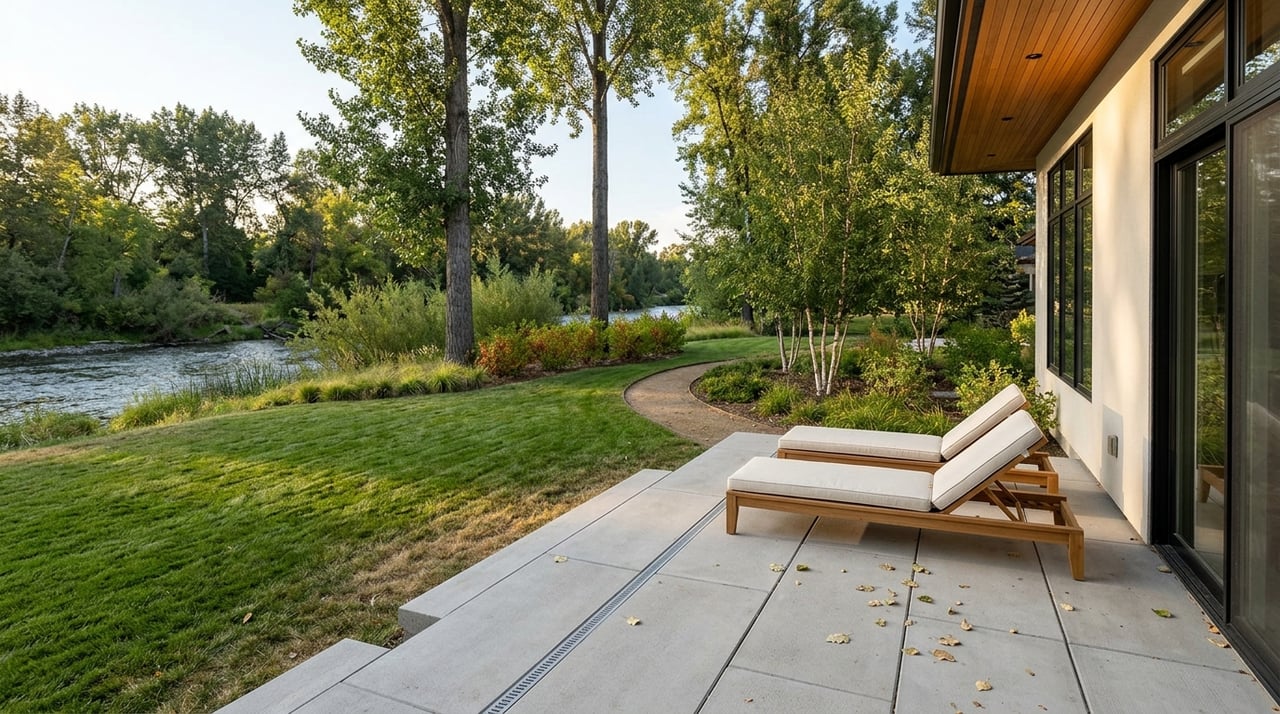
For most residents, river living in Eagle is low-key and easy to enjoy. It is less about boats and marinas, and more about taking a walk, riding your bike, visiting a nearby park, or spending time outside without leaving town.
The city’s trails and pathways are designed as a daylight-oriented, pedestrian-first system. That gives the river corridor a practical, everyday feel, especially if you value movement, scenery, and access to outdoor space as part of your weekly routine.
In many cases, the biggest lifestyle benefit is convenience. You may be able to start your morning with a walk, head out for a bike ride in the evening, or enjoy green space nearby without planning a full weekend outing.
Parks and Trails Shape the Lifestyle
A big part of river living in Eagle comes from the public spaces around the corridor. The Eagle Road Ped/Bike Bridge gives walkers and cyclists a safer way to cross the North Channel of the Boise River, which supports better connectivity on both sides.
Pamela Baker Park serves as the southernmost greenbelt access point and includes parking and restrooms. That may sound like a small detail, but easy access can make a big difference in how often you actually use nearby amenities.
Eagle Island State Park adds another layer to the lifestyle. It offers a swimming beach, picnic area, more than five miles of trails, and non-motorized boating only, which reinforces the area’s quieter, recreation-focused character.
The city park system also supports warm-weather routines. Stephen Guerber Park and Reid Merrill Park have seasonal splash pads that typically run from Memorial Weekend through Labor Day Weekend, and Reid Merrill Park also includes a wetland and riparian area.
If you are a pet owner, it is worth knowing that dogs must be leashed on all trails and greenbelt segments. That rule helps set expectations for how the shared outdoor spaces operate.
River Recreation Is Seasonal
One of the most important things to understand is that the river lifestyle changes with the time of year. During warmer months, the Boise-area water culture includes activities like floating, kayaking, paddle boarding, and swimming.
Spring can feel very different. Wet conditions, changing water levels, and occasional trail closures can affect how you use the corridor at certain times of year.
A recent city notice, for example, closed the Laguna Pointe Trail because of flooding. That trail is an unpaved greenbelt section south of the river east of Eagle Road, and it is a good reminder that water access can come with seasonal limits.
So if you are drawn to river living, it helps to think in terms of patterns rather than postcard moments. Summer may bring the strongest version of the lifestyle, while spring may require more flexibility.
River Homes in Eagle Come in Many Forms
One of the biggest misconceptions about river properties in Eagle is that they all look the same. In reality, current waterfront and water-adjacent inventory includes single-family homes, townhouses, new-construction options, and land or lot purchases.
Lot sizes also vary widely. Inventory has included quarter-acre and half-acre parcels, along with acre-plus and multi-acre sites, which shows that buyers are often choosing a setting as much as they are choosing a floor plan.
That variety can be helpful if you are trying to match the river lifestyle to a specific phase of life. Some buyers want lower-maintenance living near the water, while others are looking for a larger homesite with more privacy and room for indoor-outdoor use.
Why River-Area Homes Often Feel More Premium
River-area homes in Eagle often have a more custom, spacious feel than typical suburban inventory. Current listings commonly highlight features like outdoor kitchens, larger footprints, and estate-style parcels.
That look and feel is not accidental. The city’s comprehensive planning around the Eagle Island area says homesites should consider scenic, wildlife, and river-corridor setbacks and buffering.
In practical terms, that can contribute to a more open and polished environment. You may notice more separation between homes, stronger visual connections to open space, and a setting that feels intentionally shaped around the landscape.
What “Waterfront” Really Means
This is one area where buyers need to slow down and verify details. In Eagle, a listing labeled “waterfront” does not always mean direct frontage on the Boise River.
That label can also include homes near the river, homes on ponds or lakes, and other water-oriented settings. The lifestyle may still be appealing, but the experience can be very different depending on the property’s exact relationship to the water.
If you are searching online, it helps to ask specific questions early. Is the home directly on the river, near a channel, next to a pond, or simply in a water-adjacent community? That distinction matters for both lifestyle and value.
Pricing Near the River in Eagle
Eagle sits in the premium tier of the Treasure Valley market. Recent market snapshots place the average Eagle home value at about $789,558, while a recent three-month median sale price was about $799,422.
River proximity often adds to that premium. Based on current active inventory, smaller or attached water-oriented options can show up in the upper-$600,000s to high-$800,000s, many move-up single-family homes fall roughly in the $900,000 to $1.5 million range, and custom or estate-style properties can extend into the $2 million to $5 million-plus range.
Those figures can shift as inventory changes, but the broader pattern is clear. Living directly on or near the water in Eagle usually costs more than a typical inland suburban purchase.
The Biggest Tradeoff: Floodplain Due Diligence
The most important practical consideration for river-area buyers is floodplain awareness. According to the City of Eagle, flooding may be caused by both Dry Creek and the Boise River.
The city also states that standard homeowners insurance generally does not cover flood loss. That means buyers considering homes near the corridor should plan for more research and due diligence than they might expect on an inland lot.
Eagle participates in the National Flood Insurance Program, and the city provides access to flood maps, elevation certificates, and floodplain permit resources. If you are seriously considering a home near the river, these details are not side notes. They are part of the decision-making process.
How to Decide if River Living Fits You
River living in Eagle can be a great fit if you value scenery, trail access, parks, and a more lifestyle-driven home setting. It can also appeal to buyers who want a polished outdoor environment and are comfortable paying a premium for location and atmosphere.
At the same time, it is smart to go in with clear expectations. The lifestyle is more park-based than dock-based, more seasonal than constant, and more nuanced than a simple “waterfront” search filter might suggest.
If you like the idea of living close to the Boise River, the best move is to compare the experience property by property. In Eagle, small differences in trail access, water type, lot setting, and floodplain status can make a big difference in what daily life actually feels like.
If you are exploring homes in Eagle and want help sorting through river-adjacent options, pricing, and neighborhood feel, Katie Shevlin Real Estate can help you narrow the search and find the right fit.
FAQs
What is river living in Eagle, Idaho really like?
- River living in Eagle is usually centered on trails, parks, greenbelt access, and seasonal outdoor recreation rather than a marina-style or boat-dock lifestyle.
Are Eagle river homes always directly on the Boise River?
- No. In Eagle, listings marked as waterfront may include direct river frontage, river-adjacent homes, pond settings, lake settings, or other water-oriented properties.
What kinds of homes are available near the water in Eagle?
- Current inventory has included single-family homes, townhouses, new-construction homes, and land or lot purchases with a wide range of parcel sizes.
Is living near the river in Eagle more expensive?
- Generally, yes. Eagle is already a premium market, and direct or near-water homes usually carry an added price premium based on setting, lot size, and property type.
What should buyers check before buying a river-area home in Eagle?
- Buyers should verify the home’s exact relationship to the water, review floodplain status, and understand any insurance or permitting considerations tied to the property location.
Is river recreation in Eagle available year-round?
- Access exists throughout the year, but the strongest river lifestyle is typically in warmer months, while spring can bring wet conditions, changing water levels, and occasional trail closures.